



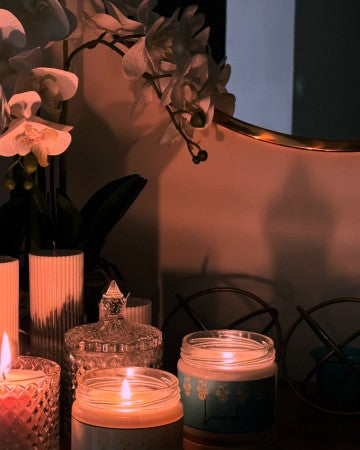
Light, fragrance, and warmth create a sense of comfort associated with a candle. Creating an atmosphere that is calm and tranquil, candles make for great additions to relaxation, setting a peaceful mood, or creating an environment for self-care. Although the calming effects of a candle are something we often consider, there’s another aspect we usually overlook when using them: the air we’re putting into our lungs when we light one.
All candles are not made equally, as many traditional candles use ingredients that can cause direct harm by emitting toxic materials into the atmosphere, hindering indoor air quality. Over time, continual exposure to contaminants will adversely impact our health. One way to address the issues associated with regular candles is through the use of non-toxic candles.
Today we talk about the fundamental knowledge necessary to determine what makes a candle non-toxic; so, you can avoid toxic ingredients, select the best candles for you, and to preserve the well-being of your environment.
One of the biggest issues with the majority of candles being manufactured today is that they contain a petroleum product called Paraffin Wax. Paraffin Wax is derived from crude oil and when the candle is burned the paraffin wax can release harmful chemicals into the air such as Toluene and Benzene. In essence, when you light a paraffin candle you’ve essentially created and introduced a pollution source to your home.
Synthetic fragrances create another point of concern because many oil blends used to produce perfume scents contain phthalates and other chemical agents. These chemicals enhance the performance of the scent and make it more stable. Some people with sensitive skin have allergic reactions to synthetic fragrances and some may develop headaches. When you burn a scented candle, you are also inhaling the synthetic fragrances.
Another concern with candles is that the type of wick used can also affect indoor air quality. While many countries have banned the use of lead core wicks, some manufacturers of low-quality candles may still use wicks containing metal or other additives that will produce more soot and affect indoor air quality.
Long Term Effects of burning toxic Candles:
- degraded indoor air quality
- may create excessive soot on your walls and furniture
- respiratory health issues and/or head pain
- unhealthy home environment
By understanding the risks associated with burning toxic candles, you can begin to make better informed choices regarding the types of candles that are safe for you.
Key Features of Non-Toxic Candles
After you know what to look for, selecting the right candle for you is not that difficult.
1. Clean, Natural Wax
The wax makes up the basic structure of a candle. Generally, non-toxic candles will be produced from plant-based/natural waxes that burn at a cleaner and longer lasting rate.
- Soy wax is one popular form of non-toxic wax. Soy wax is biodegradable, renewable and has a much lower soot output when burned compared to paraffin.
- Coconut wax is another excellent choice — creamy, slow-burning, and often blended with soy for an even cleaner burn.
-
Beeswax is a natural wax that burns cleanly and can even help neutralise indoor odours.
2. Safe, Metal-Free Wicks
A candle’s wick plays a big role in how cleanly it burns. Non-toxic candles use:
-
Cotton wicks
-
Hemp wicks
-
Wooden wicks
All of these are free from metal cores and harmful coatings. They burn evenly, minimise smoke, and reduce the risk of releasing toxins into the air. Wooden wicks also add a soft crackling sound that enhances the sensory experience without compromising safety.
3. Thoughtful Fragrance Choices
Fragrance is often what draws us to a candle — but it’s also where many toxic ingredients hide.
Non-toxic candles use:
-
Essential oils, derived directly from plants
-
Or phthalate-free fragrance oils, carefully formulated without harmful additives
These options provide beautiful, layered scents — like a gentle floral aroma or a warm, fruity note — without overwhelming your senses or compromising your health.
4. Minimal Dyes and Additives
Brightly coloured candles may look appealing, but artificial dyes and stabilisers can introduce unnecessary chemicals. Non-toxic candles often:
-
Use minimal or no dyes
-
Rely on the natural color of the wax
-
Avoid chemical enhancers or fillers
This simplicity isn’t just aesthetic — it’s intentional.
5. Transparency and Ethical Craftsmanship
One of the easiest ways to identify a non-toxic candle is to look at the brand behind it. Trustworthy candle makers are open about:
-
Their ingredients
-
Their sourcing
-
Their production methods
We at Apsaa Living focus on small-batch craftsmanship, eco-conscious materials, and honesty — ensuring you to know exactly what you’re bringing into your home.
How to Choose and Care for Non-Toxic Candles
Even the cleanest candle benefits from mindful use. Here are a few simple tips to get the most out of your non-toxic candles:
-
Trim the wick to about ¼ inch before each burn to reduce smoke and soot.
-
Let the candle burn long enough for the wax to melt evenly across the surface, preventing tunneling.
-
Avoid over-burning — 2 to 4 hours at a time is ideal.
-
Burn candles in well-ventilated spaces, especially if you’re sensitive to fragrance.
-
Support small, handmade brands that prioritise quality over mass production.
Candle care isn’t just about longevity — it’s about creating a safer, more intentional ritual.
A Small Choice That Makes a Big Difference
Choosing a non-toxic candle is a simple but powerful act of mindful living. By paying attention to wax types, wicks, fragrances, and transparency, you protect your health while supporting sustainable practices.
At Apsaa Living, candles are crafted with this philosophy at heart — combining clean ingredients, gentle scents, and thoughtful design to create moments of calm without compromise. When you light a candle made with care, you’re not just setting a mood — you’re choosing wellness, sustainability, and a more conscious way of living.
Sometimes, the smallest flame can spark the biggest change.
Leave a comment